


DirectPanel Explained: Buy vs Hire Fencing
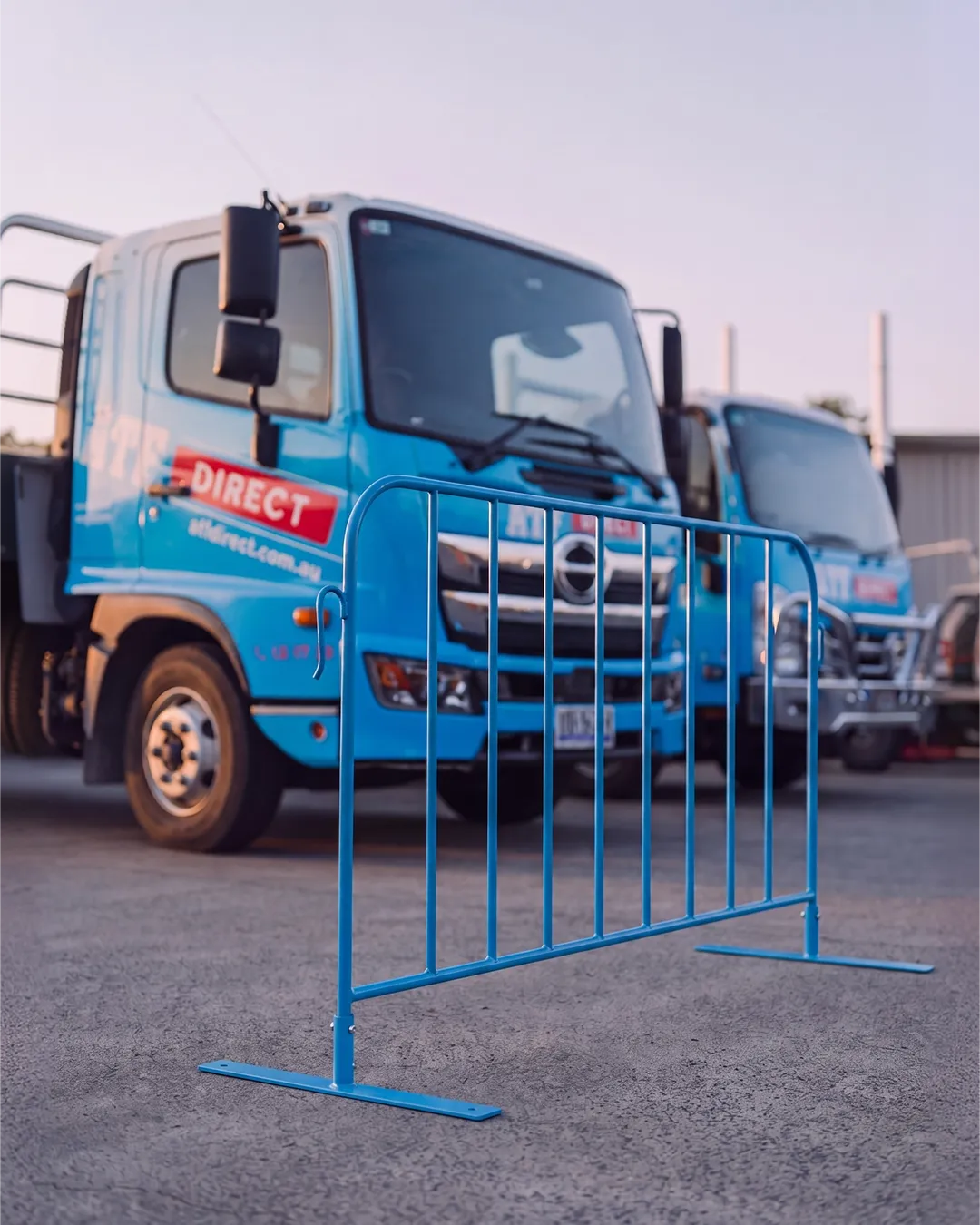
DirectPanel™ Explained: When to Buy vs. Hire TemporaryFencing
By ATF Services — Australia's specialists in height safety and temporary fencing hire
For most projects, hiring temporary fencing is the obvious choice. But not every job fits that model. Businesses with ongoing fencing needs — repeat civil works, multi-site operations, residential developers running projects back-to-back — often reach a point where hire rates add up faster than simply owning the panels outright. That's the gap Direct Panel™ is built to fill.
At ATF Services, we get asked the buy-vs-hire question constantly, usually by clients who've hired from us before and are wondering if it's time to make the switch. Here's how DirectPanel works, and how to think through which option actually makes sense for your business.
What Is DirectPanel™?
DirectPanel is ATF's temporary fencing product available for outright purchase through ATF Direct, rather than hire. It's built for the same site conditions as ATF's hire fleet, but designed specifically for customers who use fencing often enough that ownership makes more financial sense than an ongoing hire arrangement.
Rather than the lighter-gauge panels common at the budget end of the market, DirectPanel uses a heavier tubular frame and thicker wire mesh, paired with a concrete block for stability. The panel is engineer-certified and designed to meet Australian Standards while needing less bracing and fewer counterweights per linear metre than lighter competitor products — which translates into less labour and a lower effective cost per metre to install.
Why Buy Instead of Hire?
Hiring makes sense when fencing is needed for a defined period on a single job. Buying starts to make sense once any of the following applies:
- You run fencing needs continuously. If your business is never really"between projects," ongoing hire fees can exceed the cost of owning the panels outright within a relatively short period.
- You operate across multiple sites at once. Owning your own stock means you're not competing with hire availability across simultaneous jobs.
- You want fencing on hand, on your schedule. Purchased panels can be deployed the moment a site needs securing, without waiting on a hire booking or delivery slot.
- Your projects are civil, residential, or event-based and recurring. Developers and civil contractors running similar jobs repeatedly often get the most value out of owning their fencing stock.
- You're working on a long-term infrastructure project. Large civil and construction jobs — often joint ventures between multiple contractors — can run three years or longer. As a general rule, once a project extends beyond two years, buying works out cheaper than hiring.
Why Hiring Still Makes Sense for Many Sites
Buying isn't automatically the better option — it depends onhow often and how long you actually need fencing. Hire continues to be thebetter fit when:
- The project has a defined, one-off timeframe, and there's no ongoing need for fencing once it wraps up.
- You don't want to carry storage, transport, or maintenance responsibility for panels between jobs.
- Site requirements change project to project, and flexibility matters more than ownership.
- Upfront capital outlay isn't the right fit for the project's budget structure
For a single project of a few months, hire will almost always be the more efficient option. The buy case strengthens the more continuous and repetitive your fencing needs become.
The Real Cost Comparison: Buy vs Hire
The right decision comes down to running the numbers on yourspecific pattern of use, not a general rule of thumb. Consider:
- Total hire cost over your expected usage period, including any extension or re-hire fees between projects.
- Purchase price of equivalent panels, factored against how many projects or months of use you expect to get from them.
- Labour cost differences, since DirectPanel's design requires less bracing and fewer blocks per linear metre than lighter panels, which can reduce install labour whether you buy or hire.
- Storage and transport, which is a cost you carry once you own panels, but avoid entirely with hire.
For businesses with genuinely continuous fencing needs, the purchase price of DirectPanel is often recovered well within the first few projects, after which ownership becomes the cheaper path going forward.
What to Check Before You Buy Temporary Fencing
If you're leaning toward purchasing, make sure whatever you buy actually holds up over the long run:
- Engineer certification, so the panel is verified against Australian Standards, not just described as compliant.
- Panel and mesh gauge, since thicker steel resists bending and denting far better under real site conditions over multiple projects.
- Block weight, so feet don't degrade or lose stability outdoors over repeated use.
- Bracing requirements, since a panel needing less bracing per linear metre reduces both material and labour cost over its lifetime.
Not Sure Which Option Fits Your Business?
Whether hiring or buying is the better option dependsentirely on all the factors we have listed here.
ATF Services offers both: engineer-certified temporary fencing for hire through our national branch network, and DirectPanel for outright purchase through ATF Direct. Get in touch with the ATF Services team to talk through your project or learn more about DirectPanel through our ATF Direct website.


